Rad Man Minerals
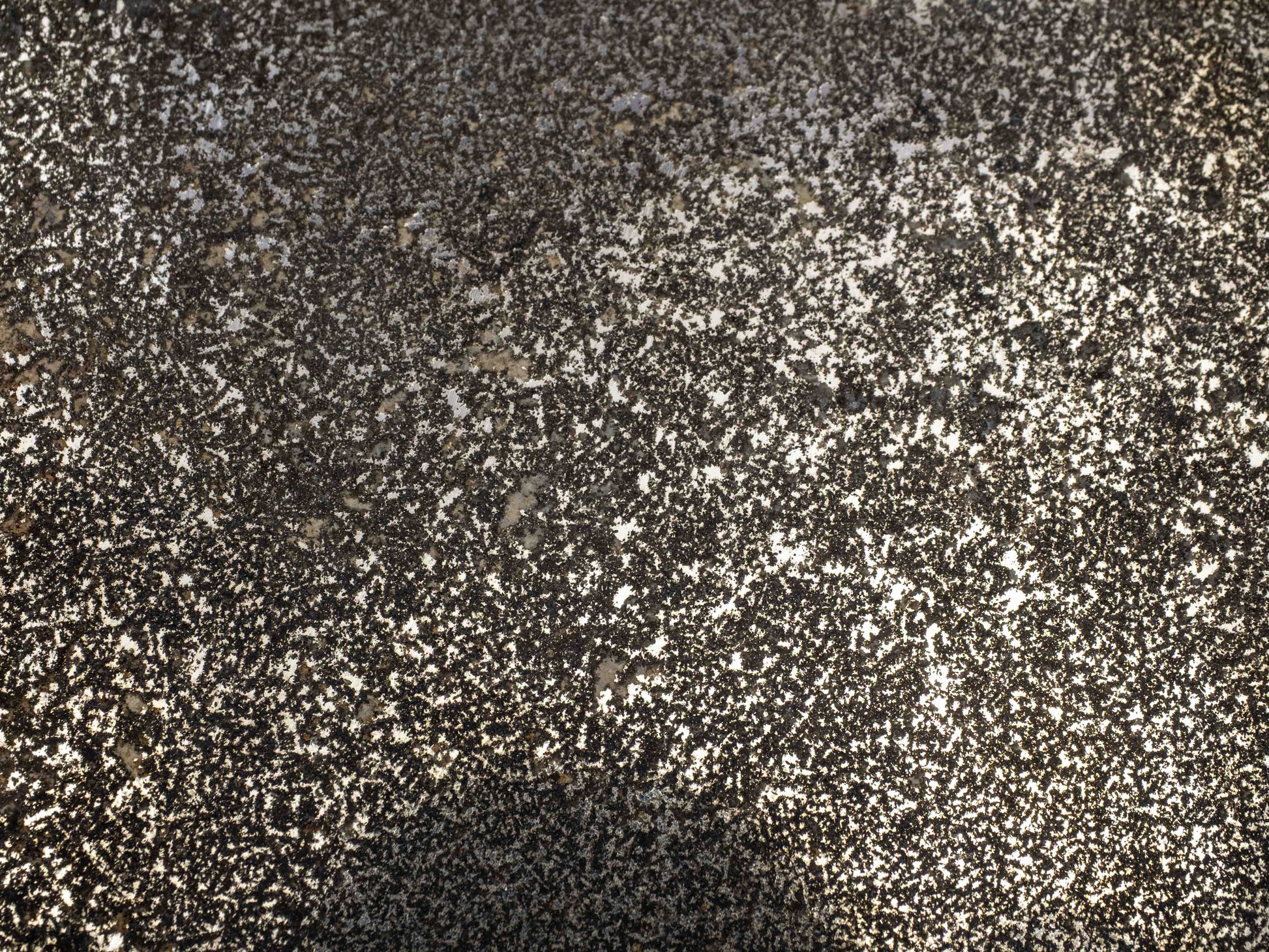
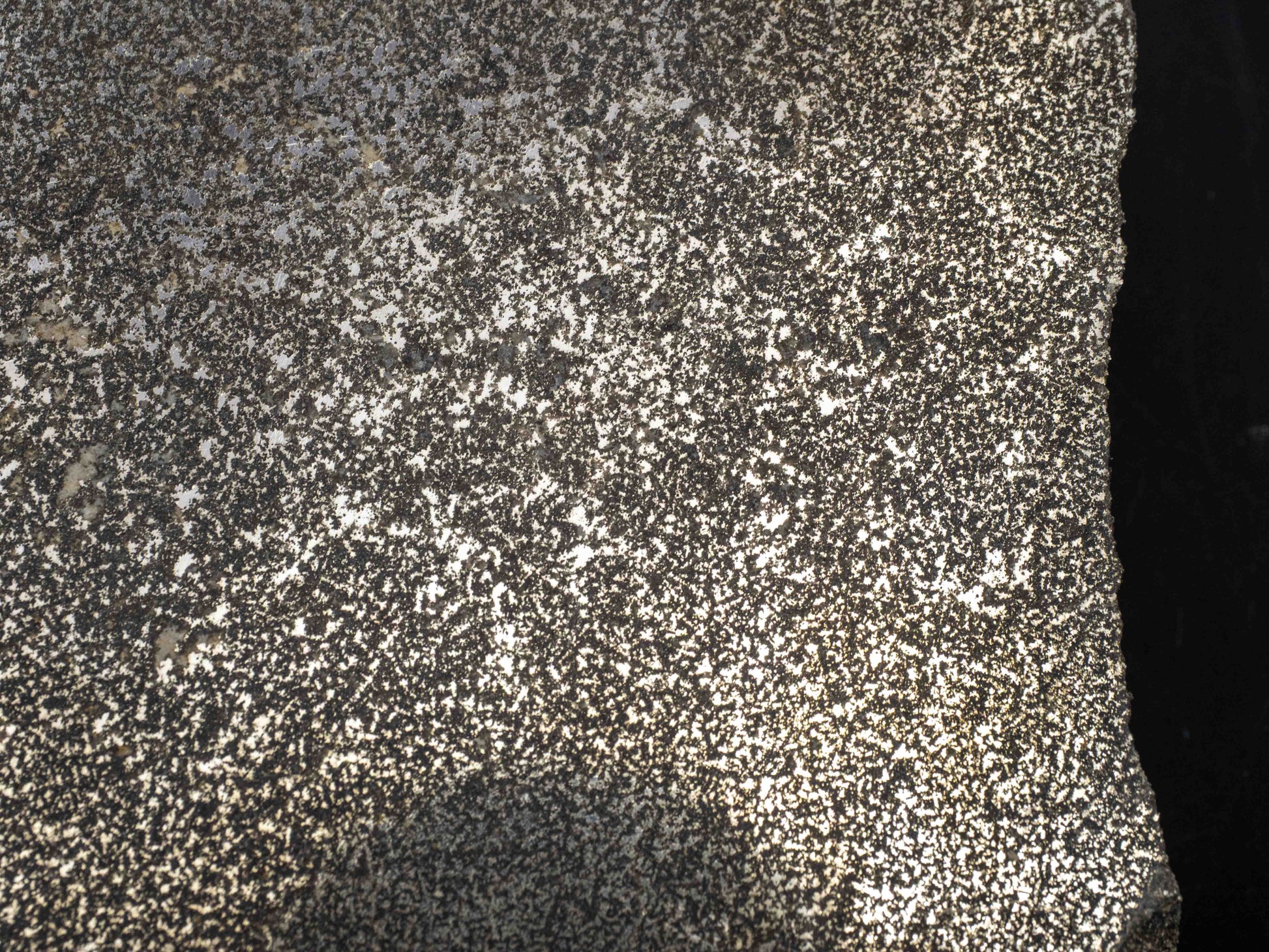
Silver & Uraninite Slab - Eldorado Mine, Port Radium, Northwest Territories Canada
Silver & Uraninite Slab - Eldorado Mine, Port Radium, Northwest Territories Canada
Couldn't load pickup availability
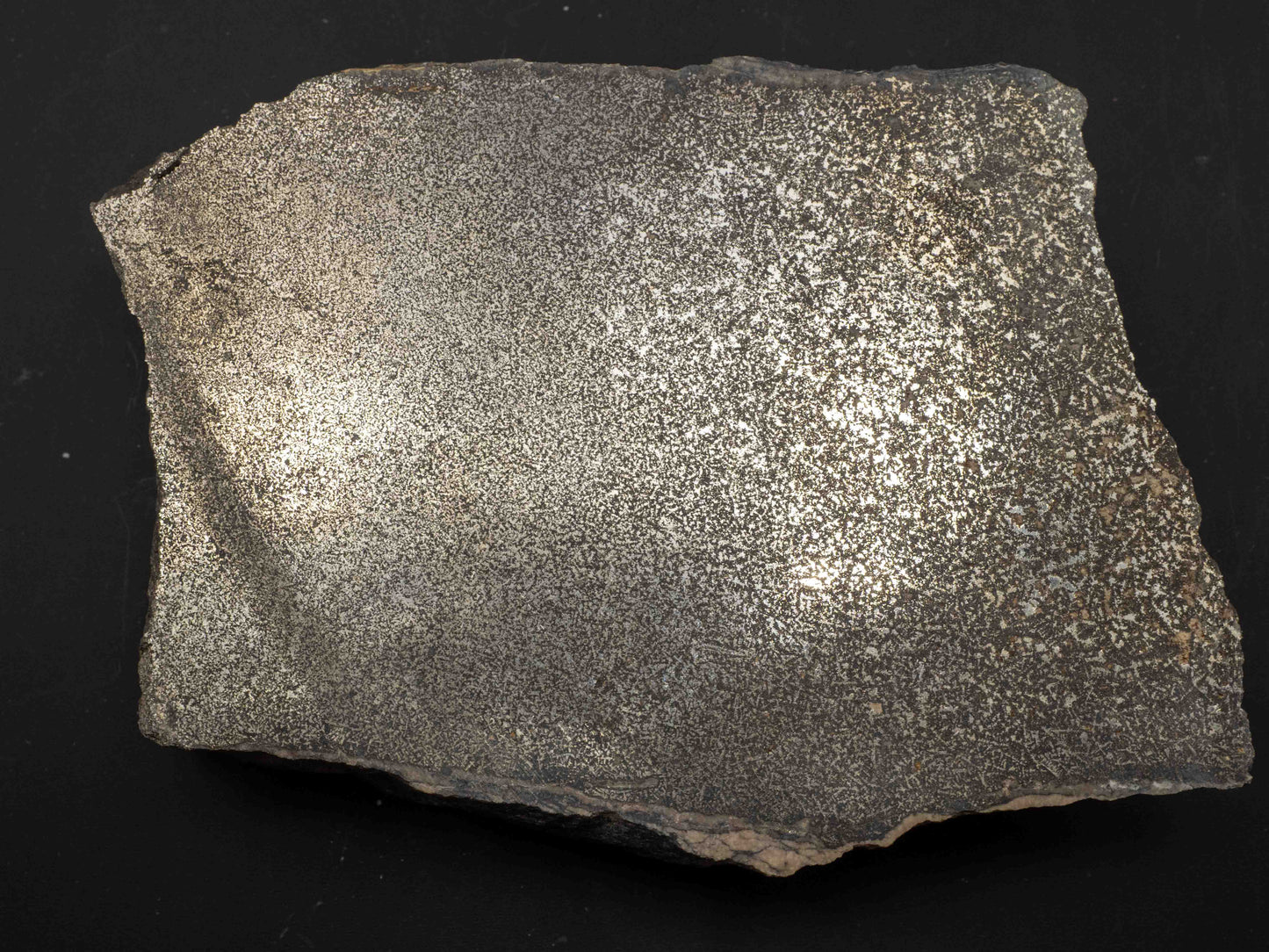
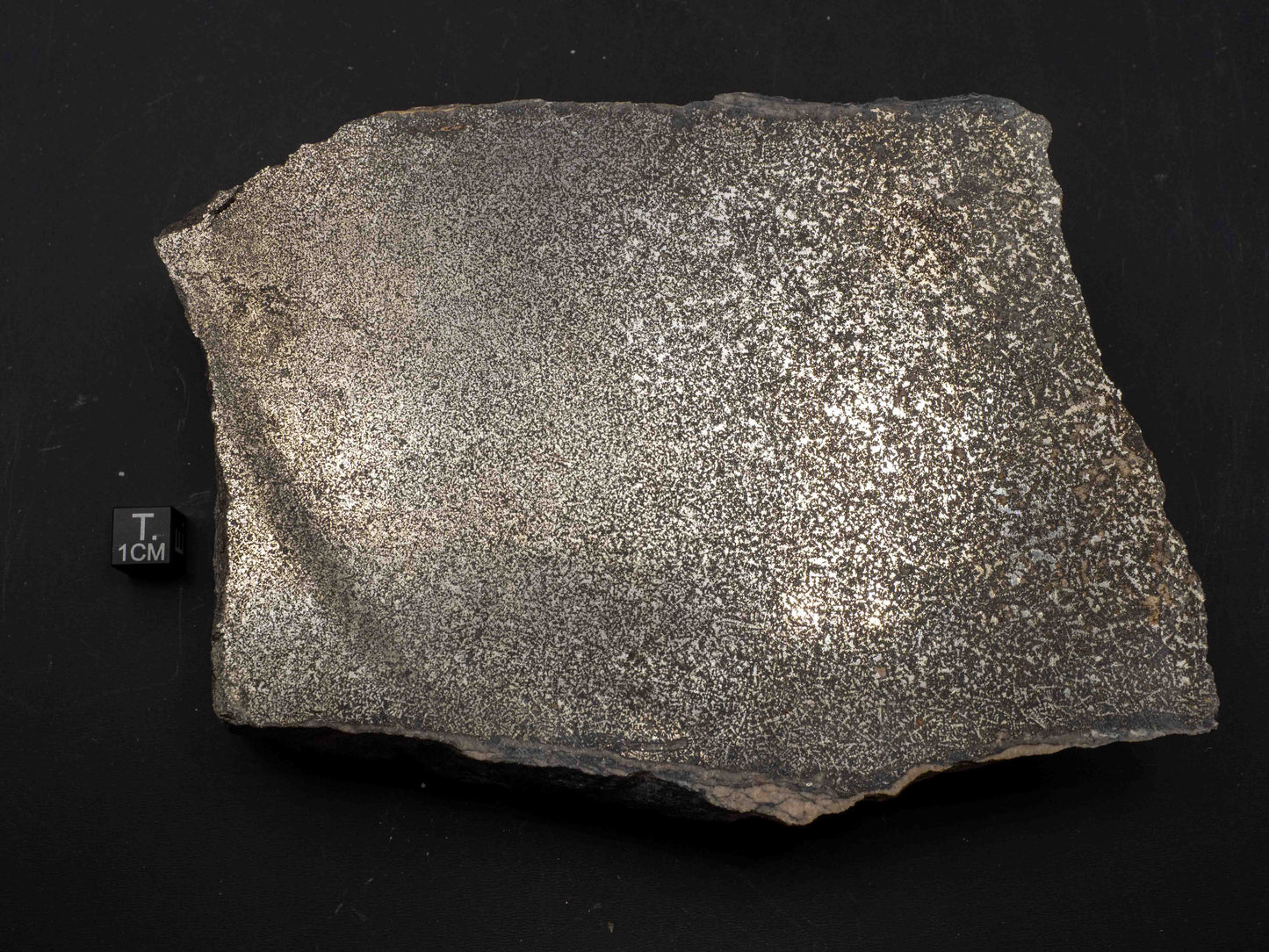
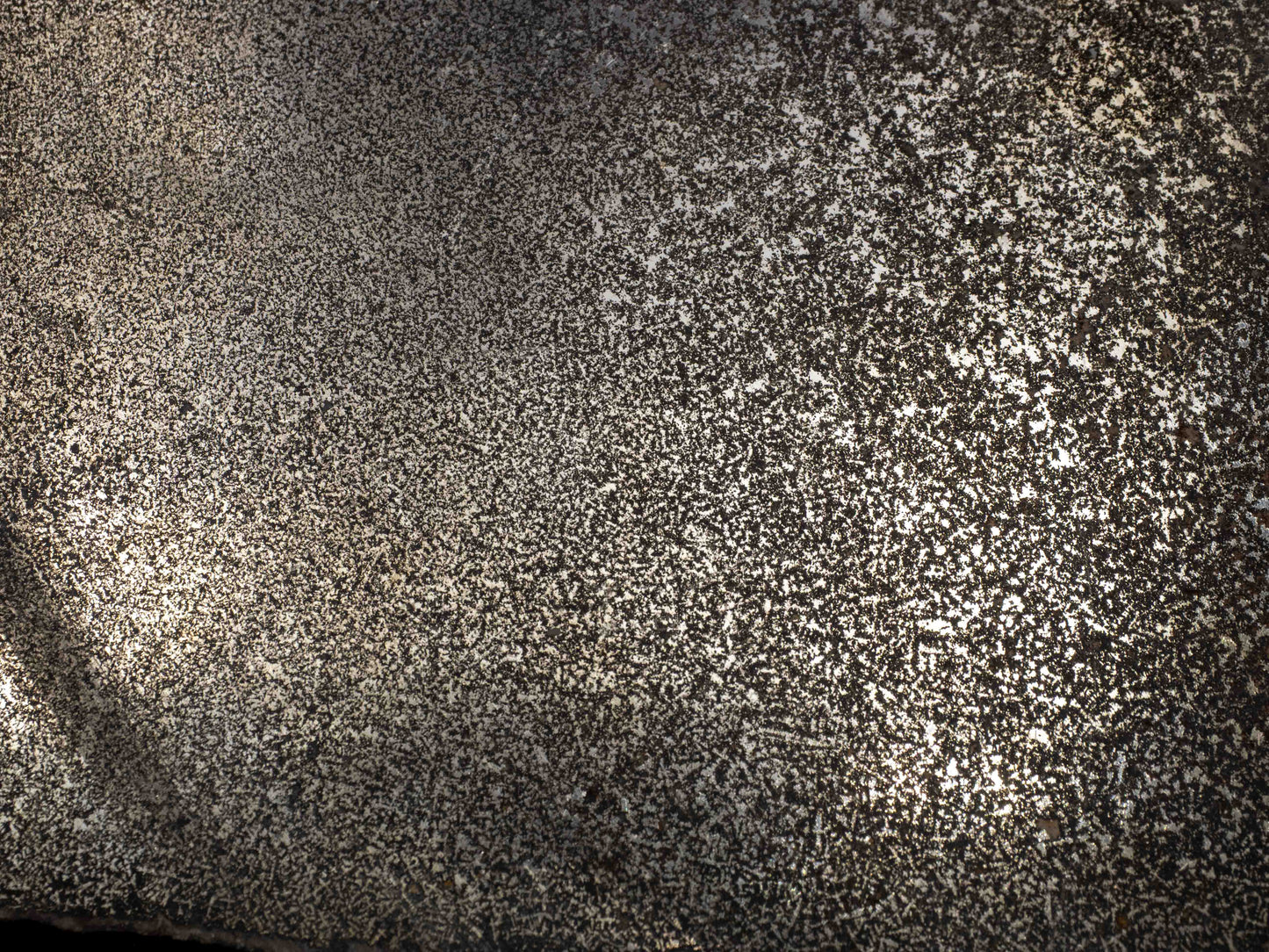
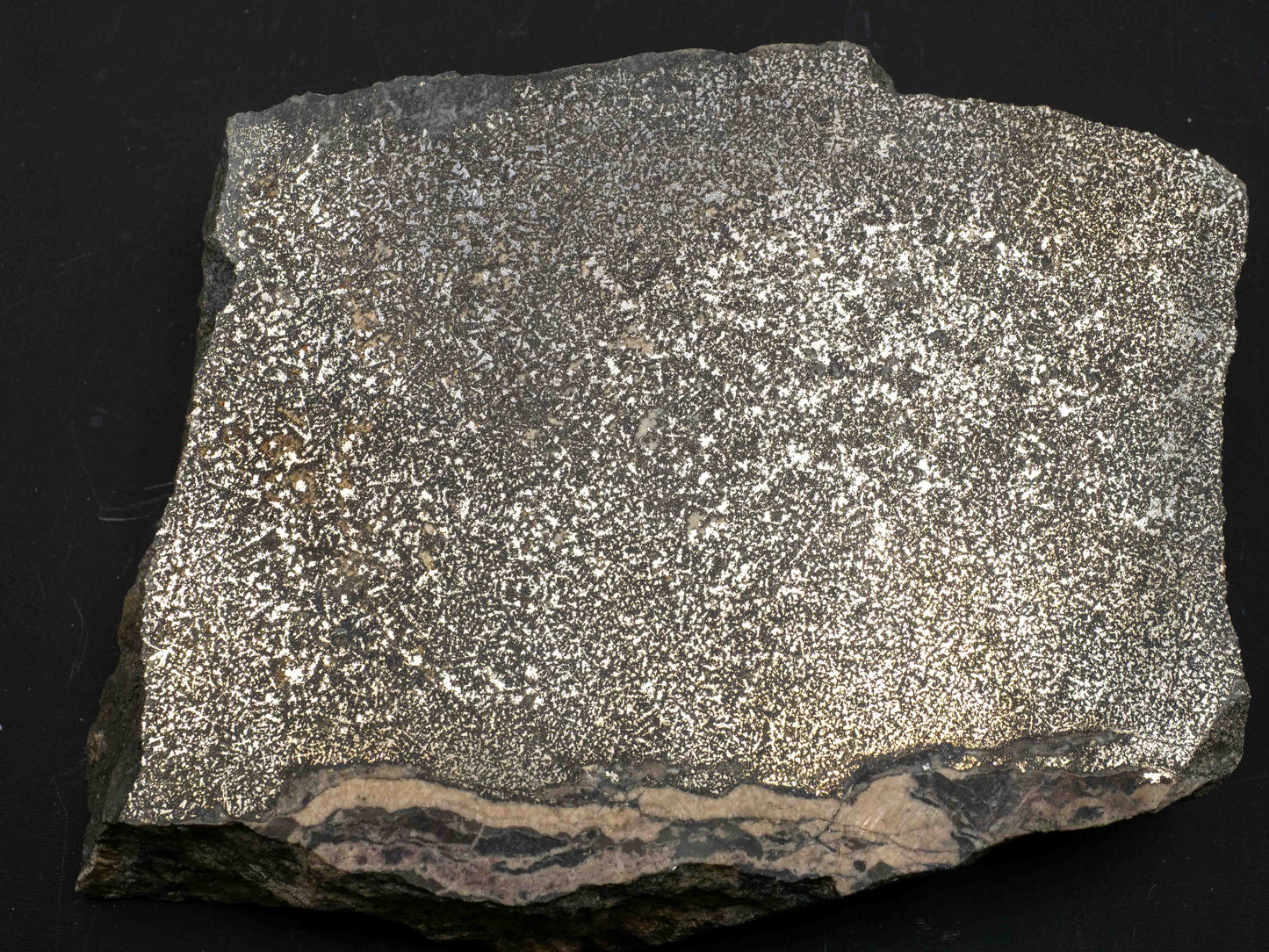
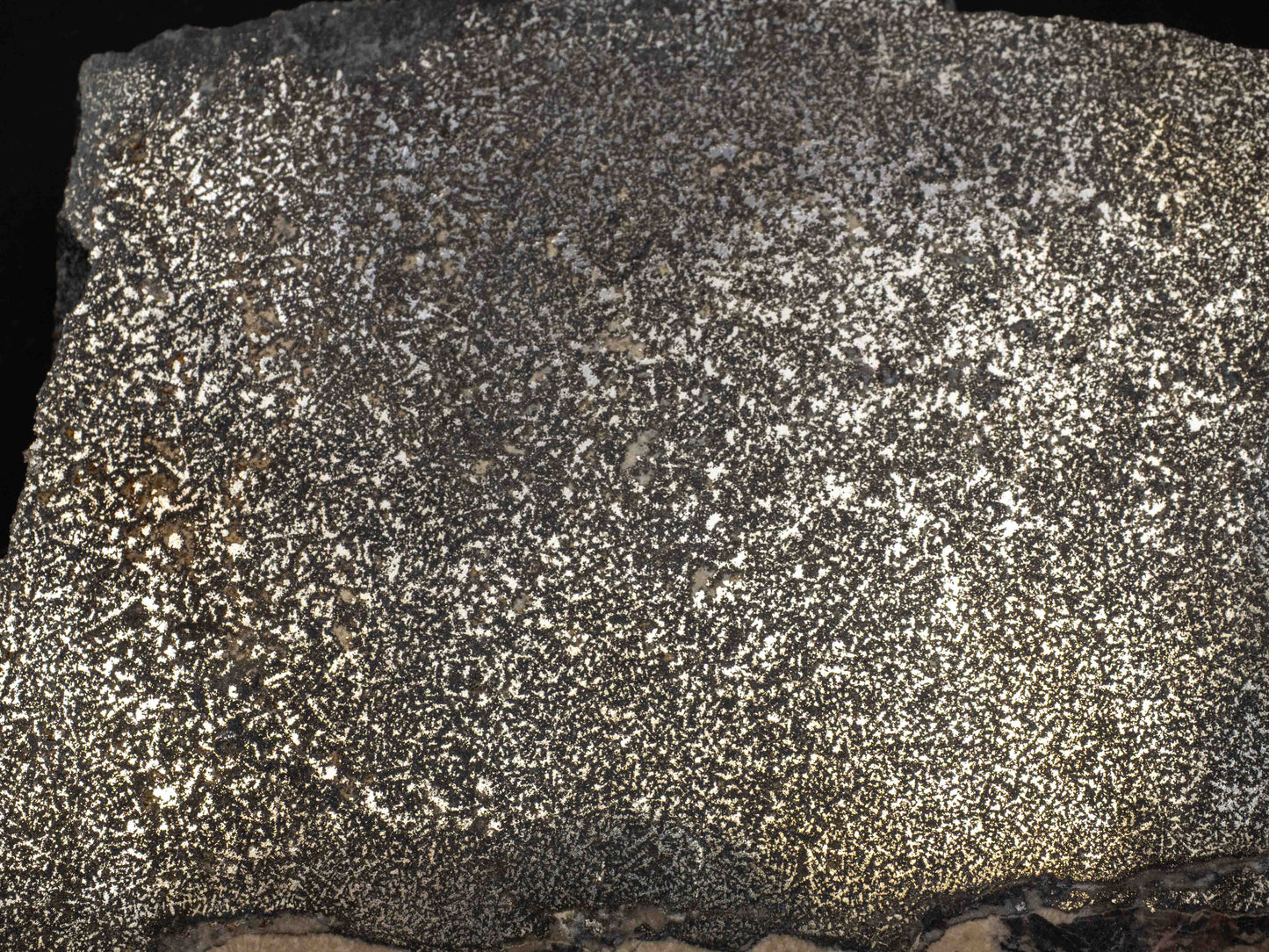
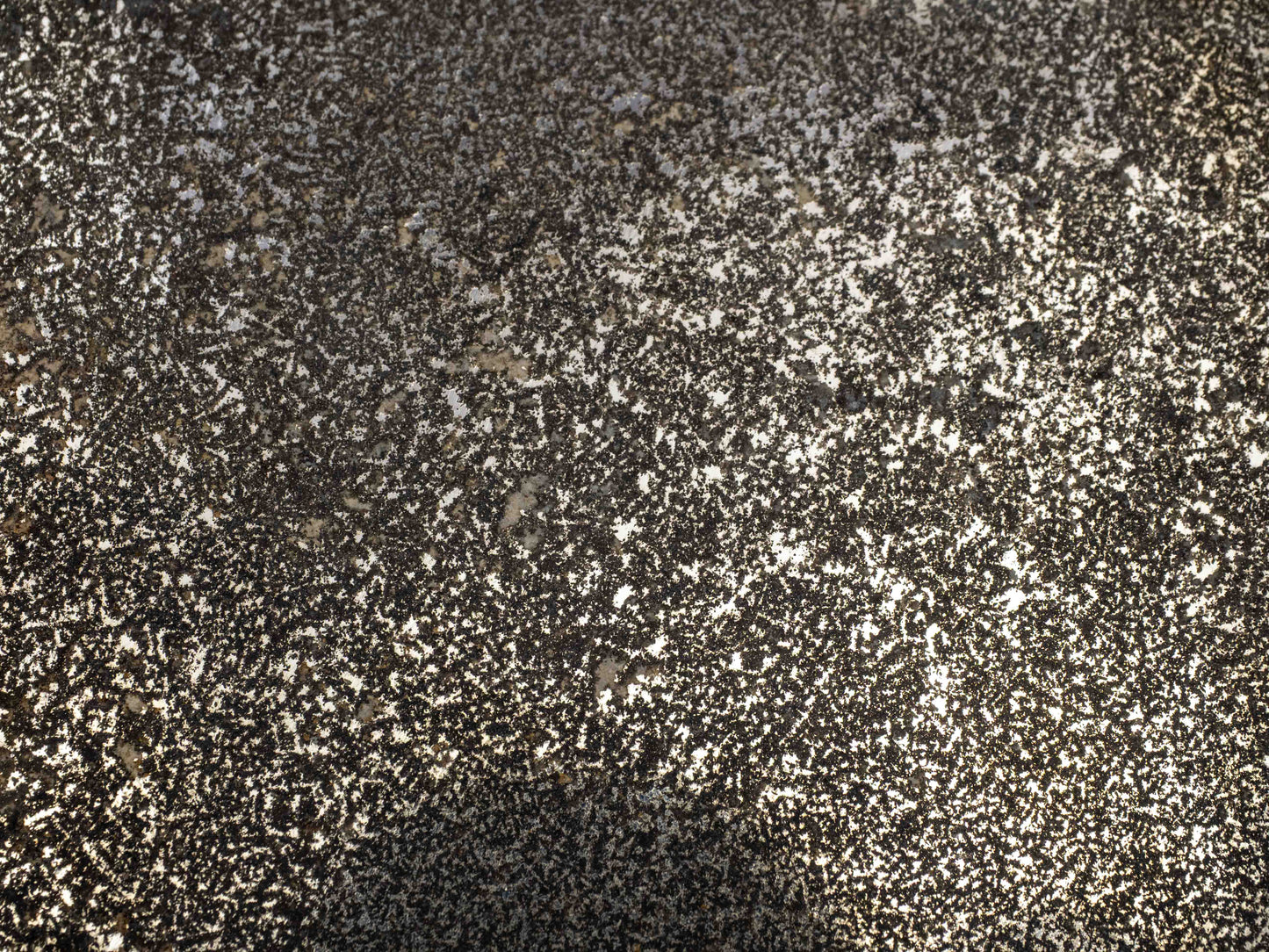
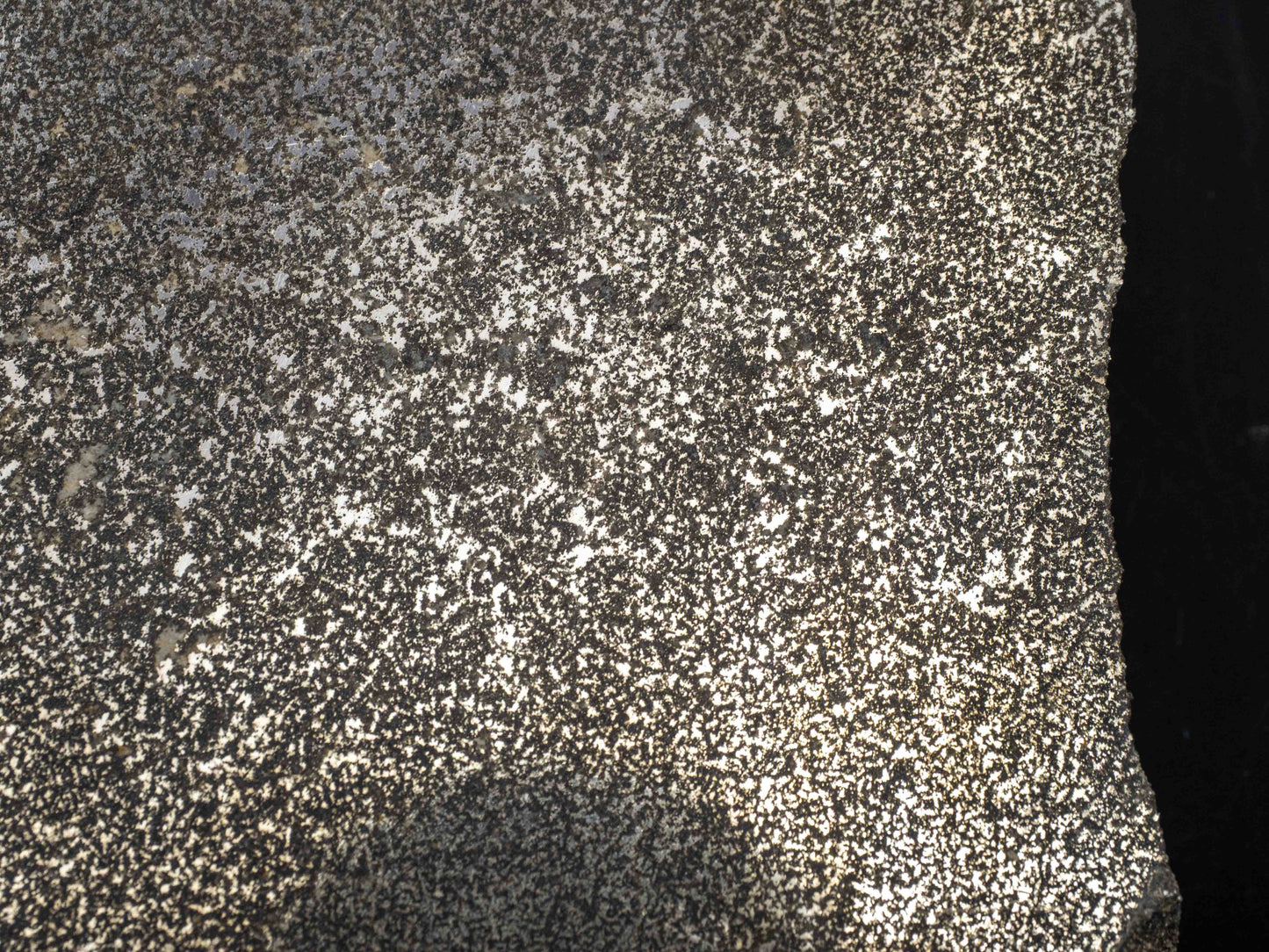
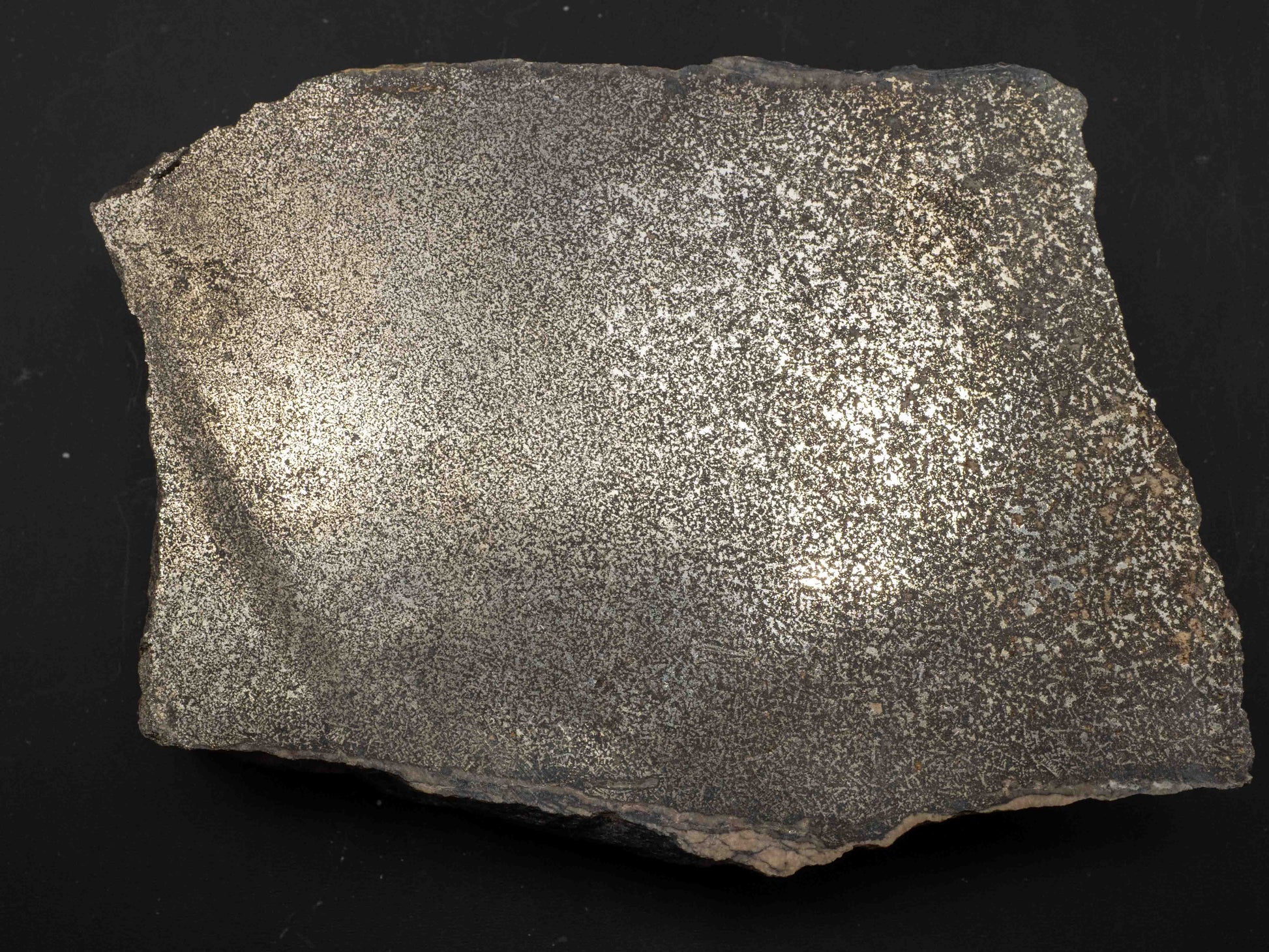
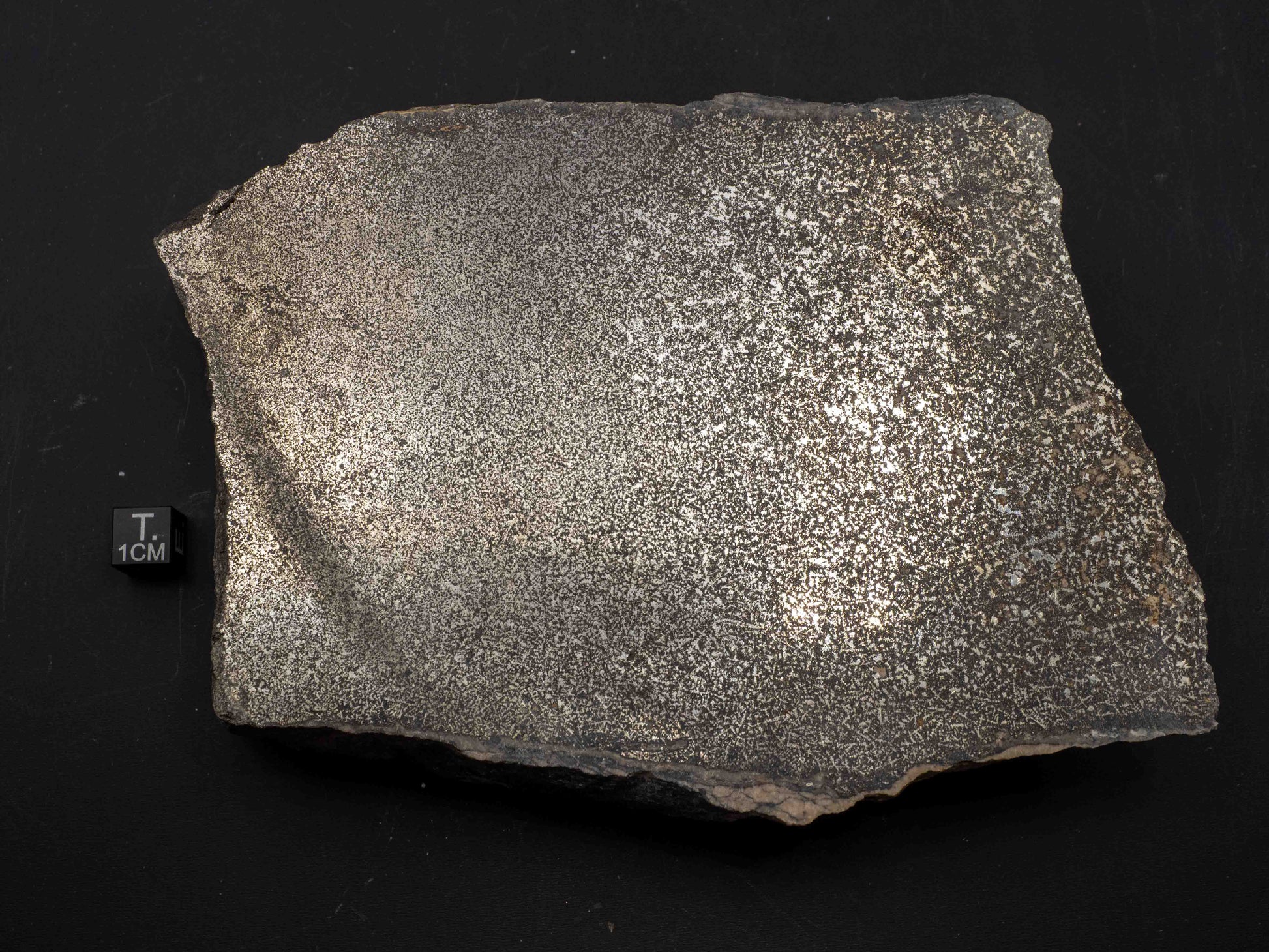
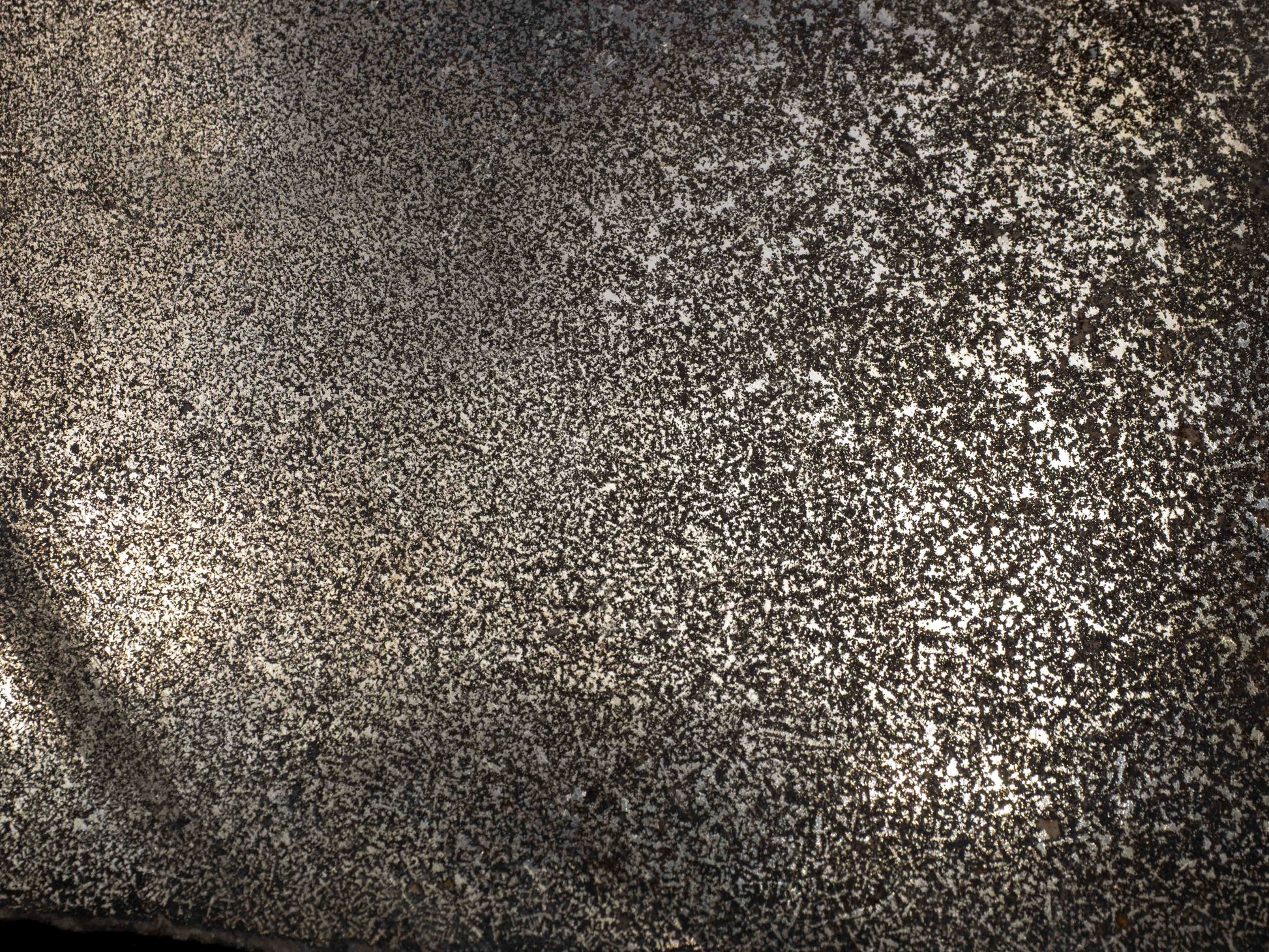
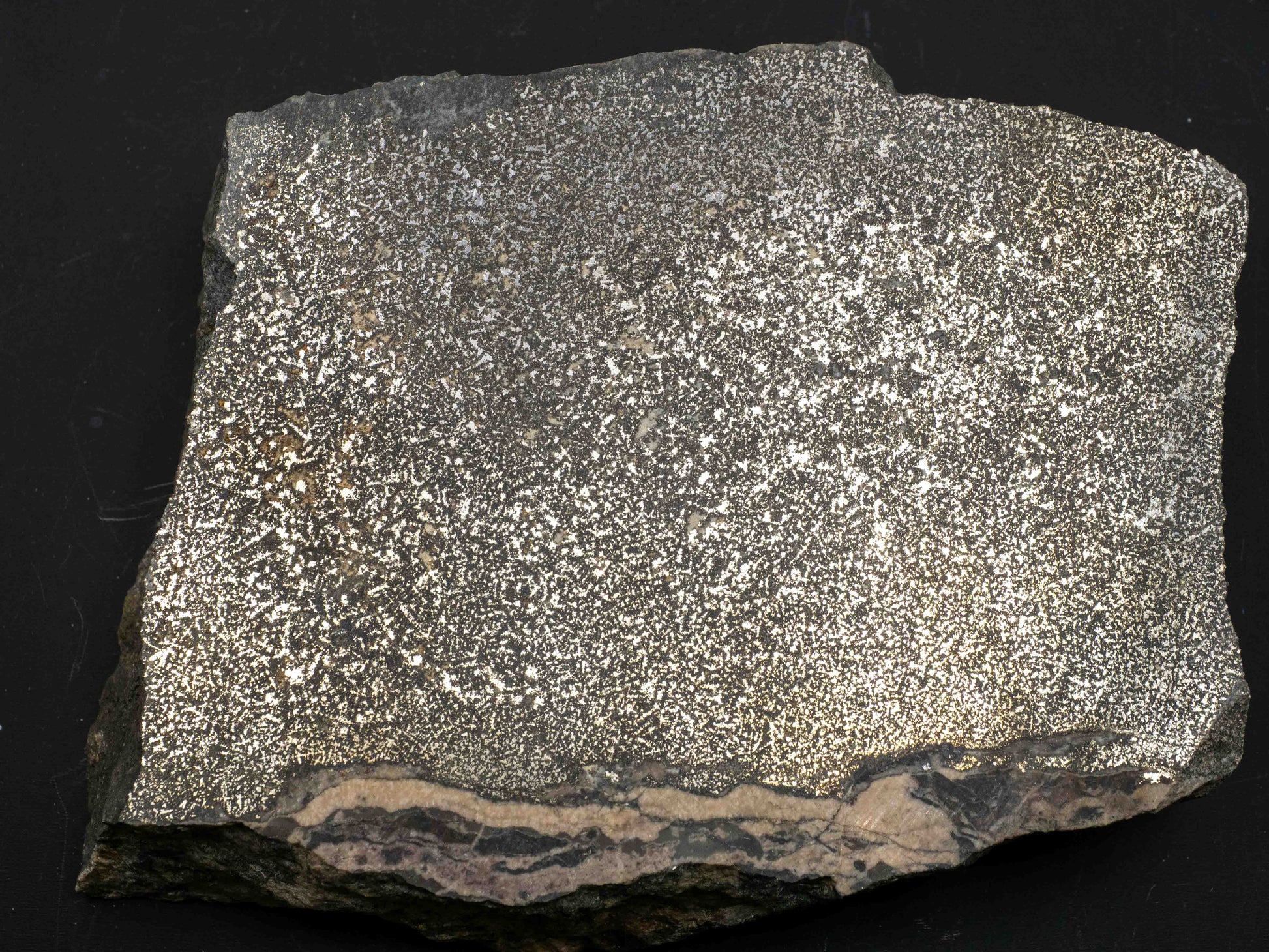
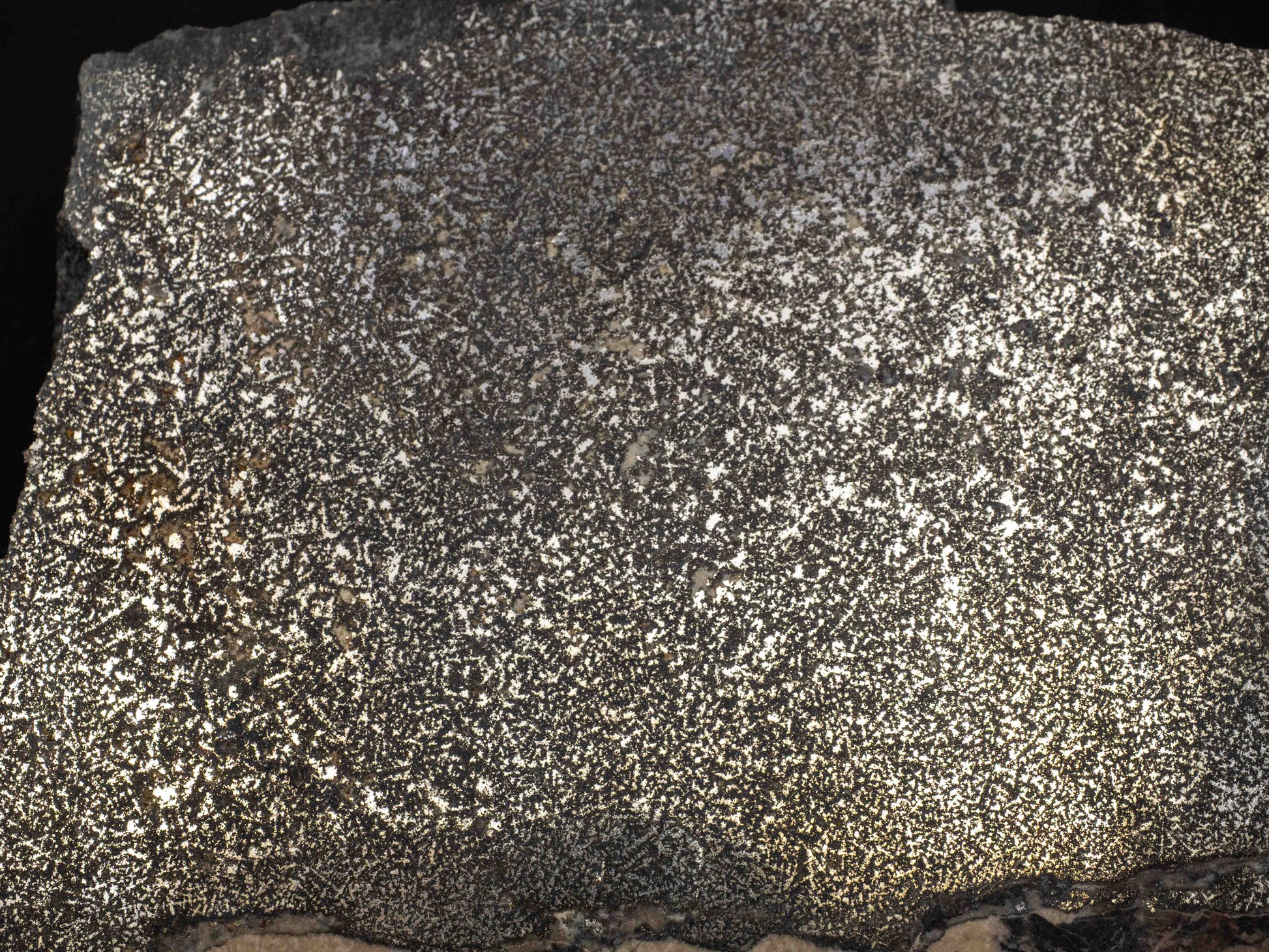
These exceptionally thick slabs of dendritic native silver intergrown with uraninite (pitchblende) come from the legendary Eldorado Mine at Port Radium, Northwest Territories, Canada. One of the most historically important uranium-silver deposits ever developed. The dramatic, branching metallic silver patterns contrast strikingly against the dark, massive uraninite matrix, creating classic “silver lace” textures that are both scientifically significant and visually arresting. The unusual thickness of these cuts preserves the three-dimensional structure of the mineralization, giving the pieces far more presence and display impact than typical thin sections.
What sets these specimens apart even further is their direct historical provenance. The original material was collected under the direction of Gilbert LaBine, the pioneering Canadian mining figure who brought Port Radium to global prominence. These very pieces were later held in the Royal Ontario Museum (ROM) collection in Toronto, adding an institutional pedigree that is rarely encountered on the market.
Compositionally, the slabs are notable for their exceptionally high native silver content, with dense networks of dendritic and vein-filling silver running through uranium-rich ore. Eldorado material is renowned for producing some of the richest silver associations ever found in a uranium deposit, and these slabs are prime examples of that geology. The interplay between bright, metallic silver and deep black uraninite captures the unique paragenesis of hydrothermal vein systems that made Port Radium world famous.
Beyond their geological and historical importance, these specimens also carry strong intrinsic metal value. With sustained strength and renewed global demand in the silver market, high-grade native silver specimens—especially those with documented provenance and from exhausted historic localities—are becoming increasingly difficult to replace. Pieces of this calibre sit at the intersection of fine mineral specimen, mining history artifact, and precious metal asset, positioning them as standout additions to serious collections.
Approx. specimen weight: 1906 grams
Approx. specimen size: 170mm x 150mm x 39mm
Approx. specimen activity on an SE International EXP: 3200 cpm